

PODCAST: Heavy Metals & Chronic Illness
Heavy Metals and Chronic Illness: The Many Systems They Can Affect
The Hidden Reach of Heavy Metals
Heavy metal toxicity is often discussed as if it were one narrow issue with one narrow presentation. In reality, it is much broader than that. The modern scientific view is that metals such as lead, mercury, cadmium, and arsenic can affect multiple organ systems at once, sometimes subtly, sometimes seriously, and often in ways that overlap with common chronic health complaints.
A major 2024–2025 review in Archives of Toxicology describes heavy metals as persistent pollutants that can bioaccumulate and damage a wide range of tissues and systems, while a 2024 WHO expert report similarly links these pollutants with adverse effects on the:
- Cardiovascular
- Haematological
- Immunological
- Neurological
- Reproductive
- Respiratory
- Renal
- skeletal systems.
That is one reason heavy metal toxicity is so often missed. It does not always look like a dramatic poisoning event. More often, it looks like a pattern:
- fatigue that does not quite make sense
- nervous-system symptoms
- poor concentration
- headaches
- sleep problems
- mood changes
- gut issues
- blood-pressure changes
or a cluster of chronic complaints that seem unrelated until someone steps back and sees the bigger toxic-load picture. Official health agencies continue to emphasize that exposure to these metals remains a current concern through food, water, air, tobacco smoke, occupational exposure, contaminated soil, and consumer products.
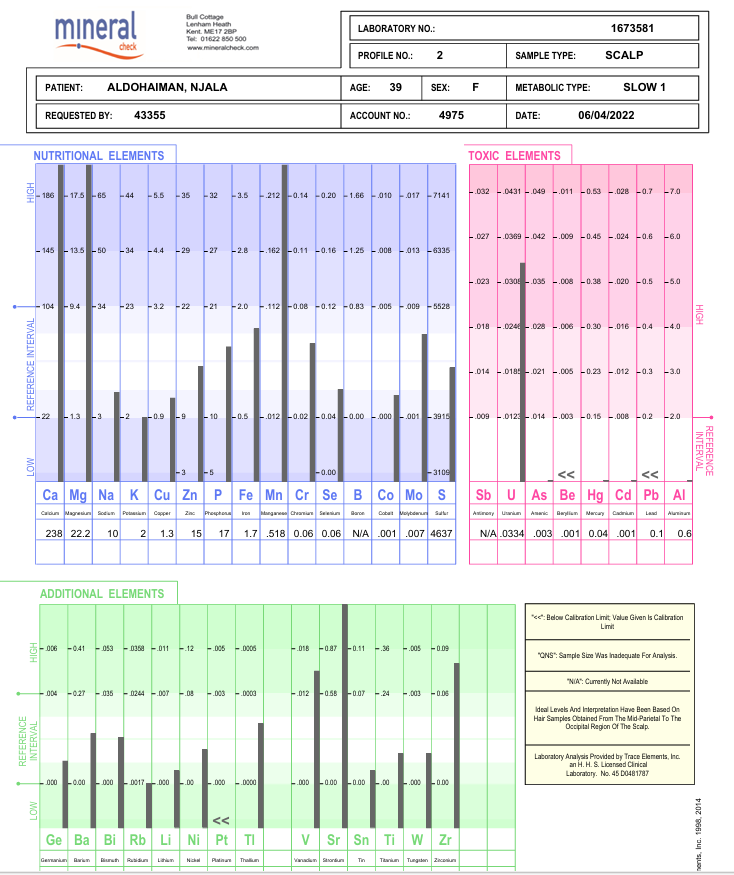
Heavy metals can affect far more than the nervous system
Most people first hear about heavy metals in connection with the brain, and that is certainly justified. Lead is particularly harmful to children and women of child-bearing age, mercury is a major concern for the developing child in utero and early life, and arsenic and cadmium can also affect the nervous system.
But the broader literature now makes it clear that this is not just a neurological story. Heavy metals are increasingly being linked with cardiovascular disease, kidney dysfunction, reproductive problems, skeletal damage, immune dysregulation, respiratory illness, diabetes, and cancer risk.
I think this is one of the most important shifts in the conversation. Instead of asking, “Which one symptom does this metal cause?” it makes more sense to ask, “Which systems could this toxic burden be disturbing?” That question is much closer to real life.
The main physiological systems and disease areas heavy metals may affect
Nervous system and brain
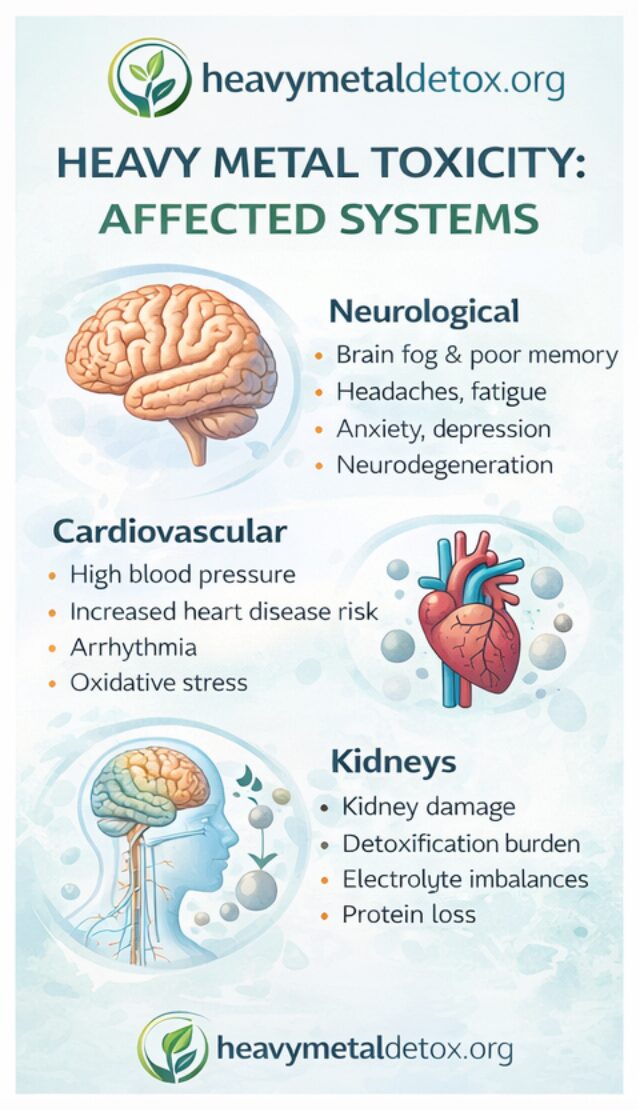
This is still one of the most established areas of concern. Lead exposure is associated with harm to the central nervous system, especially in children, including reduced cognitive performance, developmental problems, behavioural difficulties, and learning issues.
Mercury can affect the nervous system and is associated with tremors, memory problems, cognitive dysfunction, and behavioural changes. Arsenic can cause peripheral neuropathy, and chronic exposure may affect both the skin and nervous system.
Cardiovascular system
This is a much bigger part of the heavy metal story than many people realize. WHO states that lead exposure contributed to more than 1.5 million deaths globally in 2021, primarily through cardiovascular effects.
A 2024 overview of systematic reviews concluded that non-essential heavy metals are linked with cardiovascular diseases, and WHO’s European expert consultation also links cadmium, lead, and mercury with cardiovascular harm. Cadmium is also associated with cardiovascular disease in the FDA’s summary of cadmium in food.
Kidneys and urinary system
The kidneys are a major target for several toxic metals. WHO notes that mercury may damage the kidneys, cadmium exerts toxic effects on the kidneys, and lead is associated with kidney damage in adults.
Arsenic can also cause renal injury in acute toxicity. This makes the renal system one of the key physiological systems to think about whenever toxic metals are being discussed.
Reproductive health and pregnancy
Heavy metals can also affect fertility, pregnancy, and reproductive development. WHO notes that lead exposure during pregnancy can contribute to reduced fetal growth and preterm birth, and that lead stored in bone can be released into the blood during pregnancy.
WHO’s European report also links lead and mercury with reproductive effects. The CDC’s lead symptom page notes that lead exposure can contribute to fertility problems in both men and women.
Endocrine and metabolic health
This is another area that deserves more attention. The broader toxicology review in Archives of Toxicology describes heavy metals as contributors to endocrine and metabolic dysfunction, while FDA’s cadmium page specifically notes associations with diabetes.
Arsenic has also been associated with type 2 diabetes in the ATSDR clinician brief. So the idea that toxic metals may affect blood-sugar regulation, metabolism, and wider endocrine balance is no longer fringe.
Skeletal system and bone health
Cadmium is especially important here. WHO says cadmium exerts toxic effects on the skeletal system, and FDA notes prolonged exposure is associated with bone demineralization.
WHO’s expert report also specifically lists skeletal effects for cadmium. This matters because a person may present with chronic weakness, bone loss, or musculoskeletal vulnerability without anyone initially thinking about toxic burden.
Respiratory system
Respiratory effects are another important part of the picture, especially with inhalational exposure. WHO notes that mercury can affect the lungs, cadmium affects the respiratory system, and inhalation exposure to cadmium can result in respiratory illness and is linked to cancer. Arsenic can also irritate the respiratory tract, especially when airborne dust is involved.
Immune system and inflammation
Heavy metals are increasingly being linked with immune dysfunction and inflammation. WHO says mercury may affect the immune system, and WHO’s expert consultation also identifies immunological effects for some toxic pollutants.
A 2024 systematic review found epidemiological evidence linking toxic metal exposure with paediatric immune dysfunction. Meanwhile, newer reviews are also pointing toward heavy metal interactions with the gut microbiota, which may help explain why these toxins can disturb immunity, metabolism, and chronic disease risk in such a broad way.
Digestive tract and liver-related presentations
Heavy metals can also cause gastrointestinal symptoms and affect liver-related biochemistry. Cadmium-contaminated food at high levels can cause abdominal cramps, nausea, vomiting, and diarrhoea.
Lead exposure can cause abdominal pain, nausea, constipation, and appetite loss. Arsenic can present with severe gastrointestinal symptoms in acute exposure and with multi-organ involvement, including elevated liver enzymes.
Cancer risk
This is another major category. WHO classifies cadmium as a human carcinogen, and WHO’s European report notes that arsenic, cadmium, and nickel are carcinogenic, while the evidence around lead and methylmercury is more limited but still concerning. FDA also notes that long-term cadmium inhalation exposure is linked to many different cancers.
Common symptoms that may be associated with heavy metal toxicity
One of the reasons heavy metal toxicity is so easy to overlook is that the symptoms are often non-specific. They can resemble stress, burnout, ageing, digestive issues, hormonal imbalance, or chronic inflammation.
But when several of the following occur together, especially in someone with a plausible exposure history, I think toxic burden deserves serious consideration.
Common symptoms reported across official sources include:
- Fatigue or exhaustion
- Brain fog, poor concentration, forgetfulness, or memory loss
- Headaches
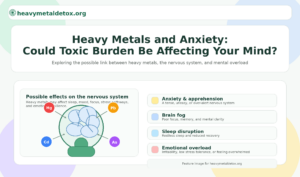
- Mood changes, irritability, anxiety, nervousness, or depression
- Sleep problems or insomnia
- Abdominal pain, nausea, vomiting, constipation, or diarrhoea
- Tingling, numbness, neuropathy, or pain in the hands and feet
- Muscle weakness or neuromuscular symptoms
- Skin changes, rashes, pigmentation changes, or dermatitis
- Increased blood pressure
- Kidney-related issues or abnormal urine findings
- Bone or joint problems
- Reduced fertility or reproductive problems

The CDC’s lead symptom page is especially useful here because it reminds us that lead poisoning may be confused with many other illnesses and that symptoms may develop slowly.
EPA’s mercury summary adds that mercury can produce emotional changes, tremors, insomnia, headaches, and poor mental performance, while ATSDR notes that chronic arsenic exposure can cause skin lesions and peripheral neuropathy, often with multi-system involvement.
The current picture is one of multiorgan burden
What I find most compelling in the newer literature is that heavy metals are increasingly being framed not as isolated toxicants causing isolated diseases, but as system-wide stressors.
The 2024–2025 Archives of Toxicology review describes heavy metal toxicity as a broad human-health issue affecting multiple organs and tissues, while the 2024 WHO consultation reinforces that these pollutants are associated with a wide spread of adverse effects across major physiological systems.
That is much closer to what many practitioners actually see: not one symptom, but a pattern of chronic dysfunction across the nervous system, metabolism, mood, kidneys, gut, cardiovascular system, and immune system.
A practical solution: Dr Georgiou’s HMD protocol
Of course, awareness is only the beginning. Once someone starts to suspect that heavy metals may be contributing to a wide range of chronic symptoms, the next question becomes what to do about it.
This is where Dr Georgiou’s HMD protocol offers a structured answer. According to Detox Metals, the protocol is built around three coordinated phases: mobilization, binding, and elimination.
The first stage uses HMD® to help mobilize metals from inside the cell.
The second stage uses HMD® Organic Chlorella to bind metals outside the cell and help reduce reabsorption.
The third stage uses HMD® Lavage to support the body’s detoxification and elimination pathways, especially the liver, kidneys, lymphatics, and blood flow. Detox Metals presents this as a safer and more complete approach than simply trying to “pull” toxins out without adequate binding or drainage support.
The published adult guidance on Detox Metals is HMD® 45 drops three times daily, HMD® Lavage 25 drops three times daily, and HMD® Organic Chlorella 2 capsules twice daily with meals, with 90 days recommended as a baseline programme. The site also emphasizes good hydration and presents the three-part protocol as a coordinated system rather than a one-product detox.
The bottom line
Heavy metals can affect far more than one organ, one symptom, or one diagnosis. The broader current evidence points toward a multisystem burden that may involve the brain, mood, heart, kidneys, bones, lungs, endocrine system, immune system, reproduction, and cancer risk. And because the symptoms are often broad and non-specific, toxic burden can easily hide in plain sight.
That is why I think the conversation has to be practical as well as scientific: recognize the pattern, take the exposure history seriously, and then use a detox strategy that actually respects biology. Dr Georgiou’s HMD protocol is built around exactly that principle: mobilize gently, bind properly, and support elimination thoroughly.