

We Are All Toxic!
Heavy metal toxicity is now so common that it is impossible to avoid it. Few scientists knowledgeable in heavy metals and xenobiotics would disagree with the statement that “we are all toxic”. What is the proof? Well, there are many studies that have found many of these heavy metals and xenobiotics in newborn babies. In September 2005, Greenpeace International, with the World Wildlife Fund, published a document entitled “Present for Life: Hazardous Chemicals in Umbilical Cord Blood.”
The research was a real eye-opener, as it convincingly showed that newborns tested for hundreds of xenobiotics had high levels of these toxins. Specifically, the blood tests showed that these newborns had an average of 287 toxins in their bodies, 180 of which are known carcinogens.
Toxins in Newborns
This study also quantifies the presence of the antibacterial agent triclosan in human blood; it was found in almost 50% of samples. DDT, the notorious pesticide that is banned for agricultural use worldwide but which is still used in some places to control malaria, was still found in virtually all blood samples.
Similarly, the organochlorine by-product and pesticide hexachlorobenzene – also subject to a global ban – was found in the samples. Perfluorinated compounds like PFOS and PFOA, used to make non-stick pans and water-repelling coatings, were present in all but one maternal blood sample. PFOS was detected in all cord blood samples, and PFOA was detected in half. We could assume that this study was conducted in America, where the level of toxicity is probably higher than in other countries.
To address this question, let’s examine a similar study conducted on pregnant women living at the North Pole, which, generally, most people feel is a clean part of the earth! The research was published in The Science of the Total Environment and was entitled “Organochlorines and heavy metals in pregnant women from the Disko Bay area in Greenland“.
Toxins in the North Pole!
The study showed high concentrations of heavy metals, such as mercury, and organochlorines in the blood and fatty tissue of the Inuit.
This is attributed, in particular, to their high consumption of the meat and blubber of marine mammals. In this study, 180 pregnant women and 178 newborn babies were examined, representing 36% of births in the Disko Bay area during 1994-1996. The pesticides found in the highest concentrations in maternal blood were DDE—4.8 μg/l wet wt., trans-nonachlor – 1.6 μg/l., and hexachlorobenzene – 1.2 μg/l; while the total concentration of PCB (Aroclor 1260) was 19.1 μg/l.
Calculated on a lipid basis, concentrations were slightly higher in maternal than in cord blood. The mercury concentrations were 16.8 μg/l in maternal blood and 35.6 μg/l in cord blood. In a linear regression analysis, the concentrations of organochlorines, mercury and selenium increased with maternal age. Mercury and cadmium concentrations increased with the consumption of marine mammals, and cadmium was associated with smoking.
Toxins in Wildlife!
Similar studies have also shown that wildlife in the Arctic is also being killed due to high levels of toxic chemicals in its environment. The study showed that several arctic mammal and bird species that indicate chemical exposure are likely adversely affecting their health.
Some of the effects observed are potentially quite serious (e.g., immune suppression, hormonal disturbances, altered behaviour). Before we leave the Arctic Circle, there is another interesting study entitled, Human health implications of environmental contaminants in Arctic Canada: a review published in The Science of the Total Environment that has looked at how the Inuit Eskimos are being exposed to chemicals such as chlordane, toxaphene pesticides, as well as PCBs.
Toxic Contamination Through Generations
Another fascinating study conducted by the World Wildlife Fund set out to explore whether there was any relationship between the types and levels of contamination found in three generations of families, and to examine possible links between contamination and a family’s lifestyle, consumption patterns and everyday products. The report, entitled “Contamination: The Next Generation,” summarises the findings of an analysis of 104 chemicals in the blood of 33 volunteers from seven families living in England, Scotland and Wales.
The volunteers in each family spanned three generations, generally comprising the grandmother, mother and two children. The volunteers comprised 14 children, 13 adults and six grandmothers. The volunteers’ ages ranged from 9 to 88. All three generations tested, including the children, were contaminated by a cocktail of hazardous man-made chemicals.
The results reveal that every child, from as young as nine years (none younger were tested), was contaminated by the same range of hazardous chemicals: organochlorine pesticides, PCBs, brominated flame retardants, phthalates, and perfluorinated (“non-stick”) chemicals.
Five chemicals found in each parent and grandparent were also found in every child. While it might be expected that chemical burden increases with age, this study has shown that this conventional assumption is not always valid: children can be more contaminated by higher numbers and levels of certain “newer” chemicals than their parents or even their grandparents, despite being exposed to these chemicals for only a fraction of the time.
These “newer” chemicals include brominated flame retardants (used in sofas, textiles, and electrical appliances) and perfluorinated chemicals (used in the manufacture of non-stick pans, coatings for takeaway food packaging, and treatments for carpets, furniture, clothing, and footwear).
The results also show that chemicals in everyday household products are contaminating the blood of all the families tested in the survey, including children. For example, fifty-seven per cent of the seven people found to be infected by deca-BDE, a brominated flame retardant, were children. Of the volunteers tested, 82 per cent were contaminated by one or more perfluorinated chemicals.
The perfluorinated chemical PFOA (perfluorooctanoic acid) was found in more than a third of the children tested. A related chemical PFOS (perfluorooctane sulphonate) was found in five family members tested. There have been similar studies in the USA too – in July 2015, the Department of Health and Human Services, Centres for Disease Control and Prevention, USA, published a 1,095-page document entitled, “Fourth National Report on Human Exposure to Environmental Chemicals” which clearly indicates the growing number of chemical toxins present in all age-groups in the USA.
The American Council on Science and Health published a document in May 2003 entitled, “Traces of Environmental Chemicals in the Human Body: Are They a Risk to Health?” This research examined the types of xenobiotics found in US citizens and their quantities.
While chemicals that have been banned for many years are still being detected, there is generally a downward trend, with up to a 90% reduction in the last few decades in toxins such as DDT and lead.
Low Dose Exposure
Toxicologists studying chemical toxicity usually have reference ranges that indicate the “safe levels” of these chemicals. New research, however, shows that even low-dose exposure accumulates over time and can lead to children experiencing decreased performance in motor function and memory. Similarly, disruption of attention, fine motor function, and verbal memory was also found in adults on exposure to low mercury levels.
It is an occupational hazard for dental staff, chlor-alkali factory workers, and gold miners, among others. Mercury is a causative agent of various disorders, including neurological, nephrological, immunological, cardiac, motor, reproductive, and even genetic disorders.
Recently, heavy metal-mediated toxicity has been linked to diseases like Alzeihemer’s, Parkinson’s, Autism, Lupus, Amyotrophic lateral sclerosis, etc. Besides this, it poses a danger to wildlife. This low-dose toxicity and its effects on health will be the toxicologist’s next goal for future research.
Conventional Treatment
Many health practitioners use synthetic chelating agents such as DMPS, DMSA, EDTA and others to mobilise and eliminate heavy metals from the body. There are advantages and disadvantages to using these. One advantage is the power of their mobilising activity – they are quick to mobilise and eliminate certain metals in the body, but this may burden the body’s detoxification systems.
Further symptoms have been reported by natural medical physicians throughout the U.S., such as intractable seizures in pediatric patients and multiple sclerosis in adult patients, due to taking high doses of DMSA over extended periods.
These are valid reasons to be at least cautious in the use of DMSA for the treatment of mercury-toxic pediatric patients. The fragile brains and nervous systems of children with autism, PDD, and seizure disorders should be handled with considerable care so as not to increase the damage. DMSA and DMPS can certainly be life-saving drugs in cases of acute metal poisoning.
Toxicologists have noted that synthetic chelators should be used only in cases of acute metal poisoning or as a last resort for intractable chronic poisoning. Natural methods should be exhausted first.
Natural Heavy Metal Detoxifiers
The literature contains claims about natural substances that mobilise and eliminate heavy metals. When one asks for scientific studies to support these claims, one becomes unstuck! One of this author’s and the researcher’s intentions was to test various natural substances reported in the literature to determine whether there was any truth to their claims.
Over three years, several natural substances were tested using double-blind, placebo-controlled trials. Substances tested included:
- Chlorella pyrenoidosa and vulgaris
- Homeopathic Chlorella
- Cilantro tincture
- Chlorella Growth Factor
- Homeopathic DMSA
- PleoChelate
- Homeopathic Chlorella + Chlorella Growth Factor (CGF) + Cilantro
- Homeopathic Chlorella + Chlorella Growth Factor (CGF) + Cilantro + PleoChelate
- Homeopathic Chlorella + Chlorella Growth Factor (CGF) + Cilantro + PleoChelate + Homeopathic DMSA
- Cilantro paste (not tincture) with vitamin C
- Cilantro paste, vitamin C and homeopathic lead
- Cilantro paste, vitamin C and homeopathic arsenic
- Cilantro paste, vitamin C and homeopathic cadmium
- Cilantro paste, vitamin C and homeopathic antimony
The summary of all these protocols is shown in Table 1, and detailed explanations can be found in Explore! Vol. 14, no. 4, 2005.
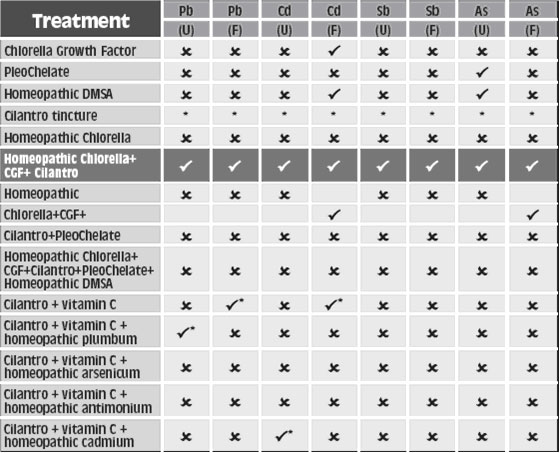
Table 1 Summary of the different natural substances tested using double blind, placebo controlled trials (N=220).
General Results for All Protocols
The data presented in Table 1 (N=220) shows the success (√) or failure (×) of these trials using the above-named natural substances. Success meant that there was an increase in the specific metal in the post-testing, compared to baseline, for the group being tested as a whole. It is important to remember the stringent criteria used in this study to include a remedy as being “successful”. To be considered a successful remedy, it must show the ability to eliminate metals in ALL the people involved in the particular trial.
Summary of Conclusions
There are a couple of things worth commenting on – the only compound that was effective at mobilising and eliminating all metals was HMD®, a homaccord of Chlorella, Chlorella Growth Factor (CGF) and Coriandrum sativum leaf tincture.
Interestingly, when these individual components were tested separately, there was negligible chelating activity. Still, when they were combined, there was a powerful synergy that helped mobilise and eliminate all the metals tested via the urinary route rather than the biliary route.
This has added advantages as reabsorption of metals from the gut is avoided. Another mercury trial was conducted at a later date, and the results are presented below in Fig. 1. Again, a double-blind, placebo-controlled trial was used with 56 participants.
There was a 448 per cent increase in eliminated mercury in the urine post-test after 24-hour provocation with HMD® in the 56 people tested, compared to the baseline sample (t=5.395, df=55, p<.0005). In the control group, there was a negligible increase in mercury. So, HMD® can be considered a natural heavy metal detoxifier.
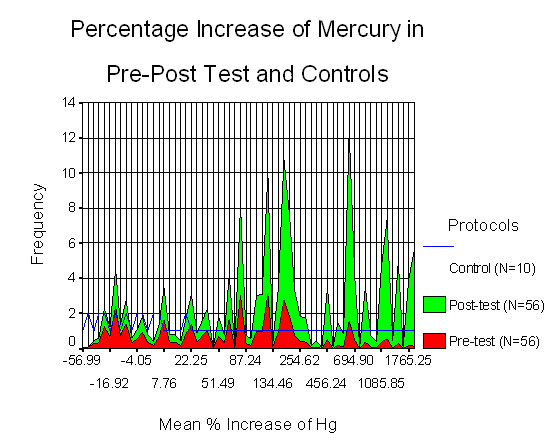
Fig 1 Efficacy of HMD® in Eliminating Mercury using Double Blind, Placebo Controlled Trials (N=56)
Before we discuss the further trials conducted with the HMD® , let us briefly comment on another finding when using the Cilantro tincture. In a double-blind, placebo-controlled trial using Cilantro leaf tincture, a percentage decrease in the post-sample compared to baseline was observed.
This indicates that, instead of eliminating the metals with the Cilantro tincture, the body was pulling back more than it had at baseline. It is known that Cilantro tincture is a good intracellular chelator, facilitating the removal of metals from inside the cell into the mesenchyme.
However, if Cilantro by itself cannot mobilise and eliminate the metals in the mesenchyme, then the osmotic potential will increase over time, and there will be a backlash as metals return to the cell. This could be very detrimental with neurological compromised patients, children and the elderly and is worthy of note by practitioners who tend to use Cilantro on its own.
The HMD® Research – Further Trials
Just a reminder, HMD® is a unique, proprietary, synergistic blend of three natural ingredients in liquid form that are taken orally:
- Chlorella Growth Factor (CGF)
- Coriandrum sativum leaf tincture
- Homaccord of cell-decimated, energised Chlorella pyrenoidosa

Table 2 shows the summarised results of a number of different trials over a three-year period.
The mean percentage increase in heavy metals after provocation with the HMD® is compared with elimination using a placebo (a highly diluted chlorella tincture). The post-provocation urine samples were collected after 24 hours, and the post-provocation faeces samples after 48 hours due to the slower transit time – “U” denotes the Urine samples and “F” the Faeces samples.
Liver and Kidney Serum Test Results
During the HMD® Pre-Post Provocation Trials and the HMD® research trials, blood samples were collected from a small group of people (N=16) to assess the effects of the HMD® provocation on liver and kidney function tests. The average percentage increase was calculated from the pre- and post-sample figures of these biochemical tests.
Table 3 shows the percentage increases in these biochemical parameters in the post-serum samples relative to the baseline serum sample taken before HMD® was administered. Overall, there are small average increases in creatinine, bilirubin, urea, ALT, and AST, but none exceed pathological parameters. The minimum and maximum levels are also shown, but the higher levels were generally present in only one individual.

Table 3 Details of the Liver and Kidney Function Tests
These tests indicate that HMD® is a gentle detoxifier that does not adversely affect liver and kidney function tests and is tolerable for most people of all ages.
However, based on the use of HMD® over the last 10 years, it would be advisable for the practitioner to use a universal drainage remedy that can work simultaneously across all detoxification systems, including the liver, kidneys, skin, lymph, and blood. The author has formulated such a natural herbal drainage remedy called HMD LAVAGE® , accompanied by HMD® ORGANIC CHLORELLA.
This is now called HMD® ULTIMATE HEAVY METAL DETOX KIT and is the standard detoxification that the inventor, Dr. Georgiou, recommends for all due to its effectiveness and gentleness. HMD® is a natural, toxic metal detox formulation that is effective against a wide array of heavy metals.